Home / Shop /
Home / Shop /

Collection: Get Reliable Air Compressor for Medical Use

A dependable air compressor for medical applications safeguards patient care across ICUs, operating rooms, and laboratories. Purpose-built oil less systems deliver clean, stable airflow for ventilators, anesthesia systems, and sterile medical processes. Whether installed as part of a centralized hospital plant or integrated into a specialized device, selecting reliable technology and validated brands helps ensure uptime, regulatory compliance, and consistent performance in critical healthcare environments.

What Is a Medical Air Compressor & Key Requirements

A medical air compressor is engineered to deliver contaminant-controlled compressed air for clinical environments. Unlike standard industrial systems, air compressors for medical use emphasize air purity, continuous operation, monitoring systems, and built-in redundancy to protect patients and staff. Hospitals typically follow recognized guidance and healthcare engineering standards for air quality, alarm monitoring, and system redundancy. Always verify local codes and requirements with the appropriate authority having jurisdiction.

Role of Medical Air Compressor for Hospital Use

A medical air compressor for hospital use powers ventilators, anesthesia equipment, pneumatic surgical tools, sterilization systems, and laboratory instruments. Stable pressure and dry air supply are essential to ensure proper operation of critical medical devices and maintain patient safety.

Definition and Standards

Medical air systems combine oil-less compression technology, multi-stage filtration, drying equipment, receivers, and intelligent monitoring controls to deliver breathable compressed air. Documentation, alarm systems, and continuous monitoring are essential for regulatory compliance and safe clinical operation.

Why Medical Air Compressors Matter in Healthcare Settings

Compressed air is a critical utility in healthcare facilities. A properly designed air compressor for medical use stabilizes clinical operations, supports life-support equipment, and helps hospitals maintain regulatory compliance through monitoring and documented system performance.

Ensuring Air Purity & Patient Safety

Advanced filtration systems combined with refrigerated or desiccant dryers remove particulates, oil vapor, and moisture. These systems help reduce infection risks and prevent equipment malfunction caused by contamination or condensation.

Medical Air Compressor for Ventilators – Critical Factors

A medical air compressor for ventilators must provide consistent airflow and stable pressure with minimal pulsation and low noise levels. Built-in redundancy ensures reliability during high demand situations in intensive care environments.

Regulatory Standards: NFPA, ISO & Local Hospital Codes

Medical air systems must comply with recognized standards governing air quality, monitoring systems, maintenance accessibility, and safety controls. Compliance simplifies approvals and reduces operational risks for healthcare facilities.

Core Components & Technology of Air Compressors for Medical Use

A medical air system includes more than just a compressor. It integrates compression technology, filtration systems, dryers, receivers, controls, and monitoring devices to maintain purity, reliability, and energy efficiency.

Compressor Types (Scroll, Screw, Reciprocating etc.)

Oil-less scroll compressors offer quiet operation and compact design suitable for hospitals. Dry screw compressors support larger medical air plants with higher capacity. Oil-less reciprocating compressors provide dependable performance for smaller systems and specialized applications.

Auxiliary Systems: Filtration, Drying, Aftercooling

Medical air systems rely on staged filtration including pre-filters, coalescing filters, and carbon filters. Drying systems remove moisture using refrigerated or desiccant dryers. Receivers and aftercoolers stabilize pressure and improve overall system reliability.

Controls, Monitoring & Safety Features

Modern medical air compressors include digital controllers that sequence compressors, monitor pressure and dew point levels, and generate alarms when conditions deviate from safe limits. Remote monitoring allows proactive maintenance and quick response.

Sizing, Design & Installation for Hospitals & Ventilators

Correct sizing of an air compressor for medical use requires evaluating airflow demand, pressure requirements, system diversity factors, and future expansion plans. Hospitals typically design systems with redundancy to maintain continuous operation.

Calculating Flow Rate & Pressure Requirements

Engineers calculate demand by reviewing ventilators, anesthesia machines, surgical tools, and laboratory equipment. Simultaneous use factors and pressure losses through piping are also considered.

Redundancy and Backup Systems for Critical Medical Use

Hospitals often implement N+1 redundancy to ensure uninterrupted operation. Backup compressors allow maintenance or unexpected failures without interrupting airflow to critical medical equipment.

Installation Best Practices & Space Layout

Installation planning includes clean intake air, proper ventilation, vibration isolation, adequate service space, and efficient piping layouts to minimize pressure losses.

Performance, Efficiency & Maintenance

Energy efficiency and reliability are essential considerations for medical air compressors. Proper design and preventive maintenance help reduce operational costs while maintaining clinical reliability.

Contact Information

Say something to start a live chat!

Frequently asked questions

How do I size a compressor for fleet work?

Add the SCFM at the required PSI for the tools and tasks you run at the same time, then include 25–30% headroom. Choose a receiver that smooths bursts so pressure doesn’t sag when multiple techs jump on air.

Can I power it from the vehicle?

It depends on your specific needs and requirements.

Oil-less or oil-lubricated for transportation?

This refers to the flow rate and pressure specifications of the compressor.

How do we keep water out of lines through the seasons?

Mostly electricity. Rough rule: Annual cost ≈ kW × hours/year × $/kWh. Example: 15 kW × (16 h × 250 d) × $0.12 ≈ $7.2k/yr (energy only).

Ready to Order Your Custom Air Compressor for Transportation?

Mostly electricity. Rough rule: Annual cost ≈ kW × hours/year × $/kWh. Example: 15 kW × (16 h × 250 d) × $0.12 ≈ $7.2k/yr (energy only).

Our Top Industrial Product

30% off

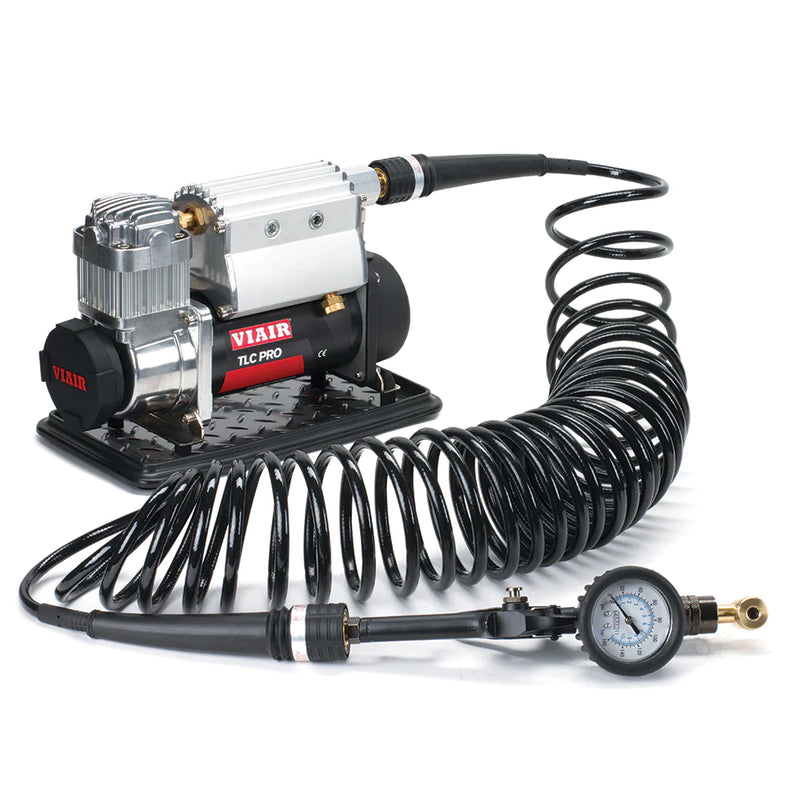
TLC® PRO Compressor Kit

$362.08 $517.25

30% off

TLC® PRO Compressor Kit

$362.08 $517.25

30% off

TLC® PRO Compressor Kit

$362.08 $517.25

30% off

TLC® PRO Compressor Kit

$362.08 $517.25

30% off

TLC® PRO Compressor Kit

$362.08 $517.25